Kanchenjunga North Base Camp Trek


Cloud 1 Cloud 1 Cloud 1 Cloud 1 Cloud 2
destination Kanchenjunga
duration 19 Days
grade High Advance
start/end point Kathmandu/Kathmandu
region Kanhenjunga
max altitude 5,143m
group size 2-12
meal All inclusive
activity 5-6 hrs
accommodation Tea House
season Autumn/spring

Kanchenjunga North Base Camp Trek

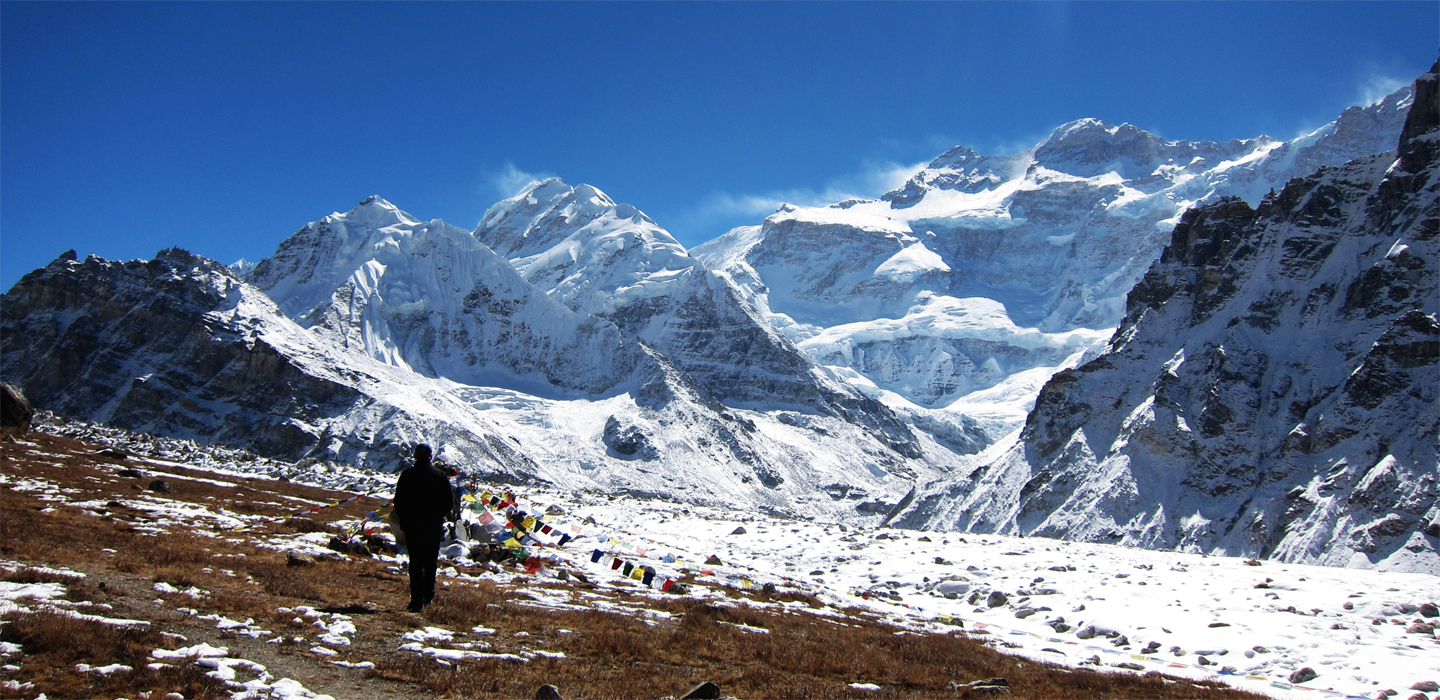
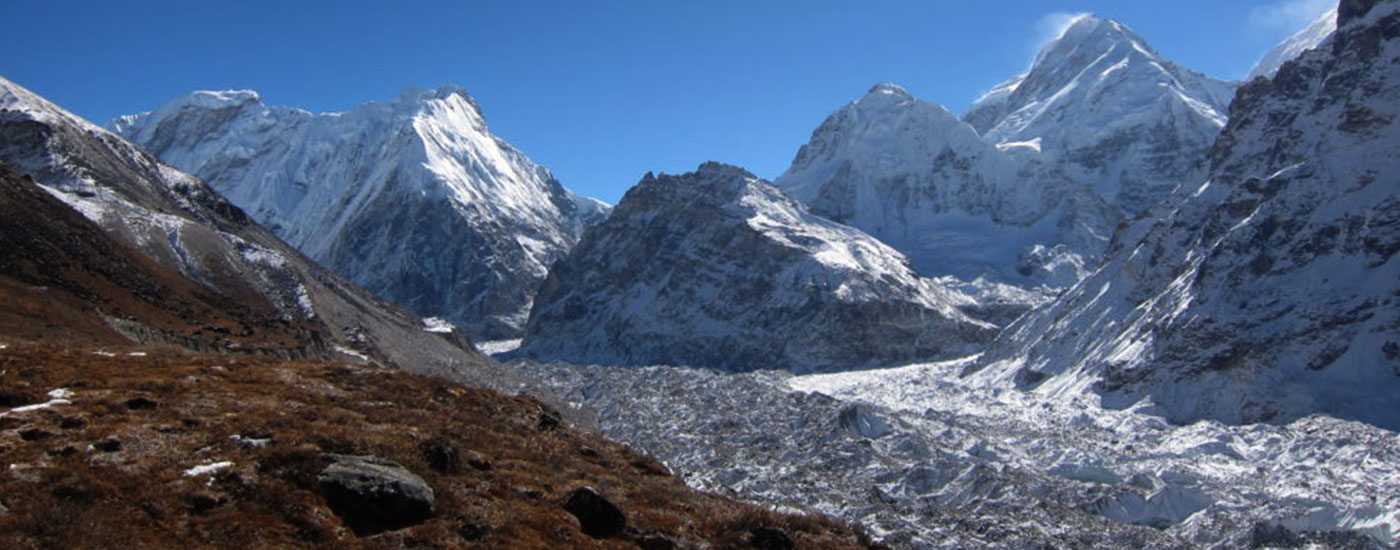
The Kanchenjunga North Base Camp trek is a feast of snow-covered mountains, subtropical lowlands, rhododendron and alpine forests and spectacular glaciers cascading down the mountain sides. Before contemplating this trek you will need to have a good level of fitness as you reach high altitudes, such as the north face base camp at Pangpema (5,100m). To reach here you will follow a trail across the moraine of the Kanchenjunga Glacier. The base camp is located on north face of Kanchenjunga and Yalung Kang, often referred to as Kanchenjunga West (8,505m). We will spend an extra day here in order to increase your energy levels before heading back down to lower levels. The return offers fantastic views of Mt. Kanchenjunga, Janu Himal and other massive Himalayan peaks.

Mt. Kanchenjunga is the third highest mountain in the world at 8,586m, and until 1849 it was believed to be the highest mountain in the world. It is third to Mt. Everest (8,848m) and K2 (8,611m). This entire area is protected and lies within the Kanchenjunga Conservation Area (KCA) and also comes under the protection of the Sacred Himalayan Landscape initiative of the World Wild Life Fund (WWF), On the trail you will see an abundance of wildlife and may be fortunate to see the elusive snow leopard, and the rare Asian black bear, and red panda. Some of the birds on this trail include the golden-breasted fulvetta (a species of songbird), the snow cock and blood pheasant. Kanchenjunga is located in the far east of Nepal on the border of Sikkim, India, and Tibet. Along the way you will see the Tibetan influence in many villages with their monasteries, prayer flags and will also experience their distinct culture. This is a unique area of Nepal and is much less crowded during peak trekking and climbing seasons.

ITINERARY

Expand All
You will be met by our representative at Tribhuvan International Airport in Kathmandu and then taken to your 3 star hotel in Kathmandu. This evening there will be a welcome dinner at an authentic Nepali restaurant where you will receive a short briefing and itinerary..
Today we fly to Suketar and on the flight will have some awesome views of Mt. Jugal, Langtang Makalu, Kanchenjunga and several other impressive peaks. After arriving at Suketar we will trek for 2 hours to Teplejung until we arrive at the Hangdewa River. After crossing the Hangdewa River, we will follow the trail along the bank of the Tamor River for several hours before descending a path to Mitlung village where we will stay the night. Alternatively we can take a 40 minute flight from Kathmandu to Bhadrapur and then travel by jeep to Phedim, taking around 5 hours before arriving at our guesthouse in Phedim.
After leaving Mitlung we follow the undulating trail to Sinwa from where we descend to Tawa and then cross a suspension bridge to Thiwa. Our route takes us through terraced farmland to Chirwa, home to the ethnic Limbu people. It will take us almost 5 hours to reach Chirwa where we will stay the night. An alternate to this rout is to fly from Kathmandu to Bhadrapur and then drive for around 4 hours from Phedim to Taplejung, stopping for lunch at Taplejung before continuing for another 5 hours to reach Chirwa.
The trail today is undulating and passes through fields of cardamom, pine and oak forests until we come to Sekathum. After about an hour on the trail we head down to the Tamor River across green fields. We will ascend almost 300m in altitude in 6 hours. From the Tamor River we continue until we reach the Ghunsa River at which point we cross and then head to Sukathum.
Today on the trail will be quite tough going as we have to walk through several slippery gorges. We then have to cross a suspension bridge and enter the forest where the trail becomes undulating until finally heading down to the river. We then cross a bridge over the river and then trek uphill to Solima. From Solima we head down to another river and after almost 7 hours on the trail we reach Amji Lhasa. Amji Lhasa is where we leave the lower section of the Kanchenjunga region and enter the upper section. You will notice a distinct change in the vegetation as we head higher.
Leaving Amjilosa we have a 7 hour trek ahead of us to Gyabla. We will pass many Tibetan refugee settlements along the way, most of them near the village of Phale. The trail follows the river and passes through bamboo, fir and rhododendron forests. We will cross several bridges and enjoy some refreshing views of waterfalls before we have an uphill climb to the Tibetan settlement of Gyabla. You will find many Tibetan handmade products, such as beads, carpet and other souvenirs here. Tibetans have a wonderful warm smile that makes your stay here so much more enjoyable.
After leaving Gyabla we head down to the river where the valley opens up and we come to Phale Gompa Monastery which is also the Tibetan Refugee Settlement area. This is another great place to buy gifts. You will see monks dressed in red robes chanting mantras at the Phele Gompa. We then pass through conifer and pine forests to reach Ghunsa that is inhabited by Sherpa ethnics who are of a different culture than Rais and Limbu who mostly inhabit the lower section of the Kanchenjunga Region. It is remembered for the helicopter crash where 20 environmentalists, including Dr.Harka Gurung were killed. .
Ghunsa is located at an altitude of more than 3500m and is an ideal place to acclimatise. It is recommended that you stay active in order to better acclimatise. Ghunsa is the most prominent town in this region. Today we can explore the town and climb to the nearby ridges to get an expansive view over the region. An alternative is to walk through the forest and visit the Lpasan Monastery. Any activity is better than remaining idle.
The trail from Ghunsa to Kambachen leads through a potential landslide area in Kanchenjunga North. Along the trail today we are blessed with some spectacular mountain views. We will cross lush green pastures and trek through rhododendron and pine forests. The trail takes us to Rampuk Kharka from where we will walk past a waterfall and then through another landslide prone area. Once past this point we have great views of the northern face of Mount Jannu. Kambachen, Lhonak and Pangpema are small seasonal settlements where we can find tiny stone tea-houses where shepherds stay during the summer. We will stay the night at Kambachen.
Located at an altitude of 4130m, Kambachen is a high alpine area of grass lands used for grazing in summer months. It is here that we will spend the day acclimatizing before ascending to higher altitudes before heading to north base camp. Today we can explore the Nupchu River Valley or head a little further to Nupchu Pokhari (lake) in the afternoon. This is a good time to reflect on how you feel before heading to Pangpema where evacuation is more difficult. We will stay here the night.
In the early morning we will head out and trek for around 7 hours in order to reach Lhonak. We will trek across rocks and boulders and then enter the Ramtang Valley, passing the Ramtang Monastery along the way. We will visit the Monastery and take short break before continuing our journey through the landslide prone area. You will need to watch your footing in this terrain. We will then descend to the river and follow the trail until lwe get our first glimpse of the settlement of Lhonak. There are not many of the small stone tea houses in Lhonak. They are usually used by shpeherds in the summer. The accommodation here is a bit rugged. We may choose to set up some tents here and in Pangpema. We might prefer accommodation in tent in Lhonak and Pangpema. Lhonak is mostly pasture land that is surrounded by hills and mountains
Pangpema is the North Base Camp of Kanchenjunga. We will follow the trail through the landslide prone area and through fields of rocks and boulders to reach the grassy land of North Base Camp. We will ascend to the ridge for close-up views of Mt. Jannu, Mt. Chang and have some fantastic views of the North Face of Kanchenjunga. It is here that we may come across climbers returning from climbing Peak 5950, which takes another 4 days trekking from here. Non permit is required to climb Peak 5950. We will then stop for a while and take in the awesome views before heading back to Lhonak for the night.
After leaving Lhonak we head down to Ramtang Monastery. We will stop for a short break in Ramtang Valley and then head to the bridge and walk past the waterfall to Kambachen. We will make good time and will reach Lhonak from Ghunsa today without stopping in Kambachen. All along the trail you will enjoy the fabulous scenic views of Kanchenjunga, Gimmigela Peak, Mera Peak and other equally spectacular snow clad peaks. Along the route we may come across other trekkers from Selele who have ventured to Kanchenjunga South Base Camp. We will stay the night at Ghunsa.
The trek today begins with us passing the Kanchenjunga Conservation Area office and passing the very quaint Tibetan houses that are decorated with colourful prayer flags. A few hours more and we reach Phole Village where we will visit the local monastery and walk through the glorious rhododendron forest. Our next destination is Gyabla from where we descend to the waterfall. The trail passes several stone shelters until we finally arrive at Thyanyani where we will stay the night.
We leave in the early morning and will then cross the bridge over the Ghunsa River, passing through rhododendron and bamboo forest to Gyabla. Further down we come to Amji Lhasa and will trek through an oak forest to reach Solima village. We will follow the trail over a suspension bridge across the Ghunsa River before arriving at the Tibetan village of Sukathum.
From Sukathum we pass through green fields and pass several tea houses until we come to Ranipul. Today’s trek is short but visually rewarding. From Ranipul we take a local jeep to Taplejung along a dirt road (5-6 hours). We will stay the night at a guesthouse here.
We will endeavour to catch an early morning direct flight from Suketar to Kathmandu. directly. If this flight is not available we will take drive to Bhadrapur (8 hrs) and take a late afternoon flight to Kathmandu. On arrival in Kathmandu you will be taken to your hotel.
This is surely a well deserved rest day. You are free to wander the streets of Thamel and go shopping for souvenirs. If you are interested we can arrange a guided sightseeing tour. Don’t miss our farewell dinner this evening.
You will be transferred to the airport at least 3 hours before your scheduled flight. We hope you have a safe journey home and look forward to seeing you again soon for another exciting adventure into the Himalayas.

SERVICES

COST INCLUDES 

  • Kanchenjunga area special trekking permits
  • Conservation/national park fees and all government taxes
  • 4 (four) nights 3-star hotel accommodation on twin sharing BB basis
  • All internal flights (KTM – Bhadrapur– KTM) with departure taxes
  • Bhadrapur – Taplejung – Bhadrapur by private jeeps
  • Trek duffle bag/luggage weight, maximum of 15kg per trekkerle
  • All airport/hotel/airport transfers by private vehicle
  • An experience Sherpa Trek Guide
  • Support Sherpa staffs
  • Required number of porters to carry member’s trek luggage
  • Trek sleeping bag and Down Jacket (on rental basis)
  • Trek duffle bag to each trek member
  • All meals of high quality and hygienic food (breakfast, lunch, dinner)
  • Treated drinking water 3ltrs per/day
  • Medical Oxygen with mask set
  • First aid box
  • Porter’s equipment
  • Local staff insurance with rescue policy
  • Farewell celebration dinner

COST EXCLUDES 

  • Medical/personal high risk insurance, (must cover emergency evacuation cost)
  • International flight cost and departure taxes
  • Personal trek gears
  • Major meals in Kathmandu and extra hotel nights
  • Bottle water, boiled water, soft drinks, beers, extra snacks etc. while on trek
  • Cost of personal expenses i.e. telephone calls, laundry, Toiletry items etc.
  • Cost due to delay and cancellation of the flight, extension of trek days, strike etc.
  • Tips to the local staff

EQUIPMENTS

Trekking equipment

The Following information will give you some idea about what you need to bring for the trek as the backpack for the hiking in Nepal and the gear play a vital role for the successful trip and we suggest you to have all the necessary gear for the trip and not to have unnecessary equipment/things that you will not be using for the trip and list of the gear you need for the trek are:

  • Good down Sleeping bag (Optional/we can provide one if you do not have on your own and it is to be returned after the trek.
  • Duffel or Rucksack bag to keep your all the gear and this will be carried by the porters.
  • Daypack bag for yourself
  • A down Jacket
  • Shade hat
  • Warm wool hat to cover your ears
  • A pair of lightweight warm gloves.
  • T-shirts 2- 3 pieces
  • Lightweight thermal tops.
  • Fleece jacket.
  • Fleece Wind-proved jacket (optional).
  • A pair’s nylon hiking shorts which are quick drying one
  • Underwear
  • Two pairs of lightweight long underwear.
  • Two pairs trekking pants, preferably that zip on/off at the knees so they double as shorts
  • Four pairs of liner warm socks
  • A pair of light to medium weight waterproof hiking/trekking boots.
  • A pair of light trekking shoes for camp/lodges
  • A pair sandal (Optional)
  • A water bottle.
  • Head/Torch Light.

Medicines and First Aid Kits

  • Extra Strength Excedrin for altitude-related headaches like DMX.
  • Ibuprofen for general aches and pains.
  • Imodium or Peptone besom, Flexon capsules for upset stomach or diarrhea.
  • Diamox 125 or 250mg or 400mg tablets for altitude sickness.
  • 1 small personal sized first-aid kit with blister treatments such as moleskin, band-aids, some waterproof tape, anti-infection ointments, etc.(Uma Holidays Travels and Tours company's team also provide first aid kits)

Miscellaneous but Important

  • Passport and extra passport photos (4 copies)
  • Durable wallet/pouch for travel documents, money & passport.
  • Lip care (Balm) At least SPF 20, 2 sticks.
  • Sun’s cream with SPF 40 is recommended
  • Pocket knife.
  • Water purification Iodine tablets
  • Toiletry kits and be sure to include toilet paper stored in a plastic bag, hand wipes, and liquid hand sanitizer, towel, soap, etc.

Note Regarding Itineraries:
Although we generally adhere to the schedule, the itinerary is subject to change for numerous reasons beyond our control, including weather and terrain conditions, suitable campsite availability, and the group's general fitness level. It is important to understand that our trek is logistically complex and it is not unusual that adjustments be made. Our guide will orient you each evening to the following day's plan and their good judgment is the key to the long history of successful treks that Uma Holidays Travels and Tours Pvt. Ltd.  Please remember that our ability to make adjustments as needed helps to ensure that your trek is safe and successful. Your safety is paramount

MAP

Departures

Trip Date Duration Price Seats Left

FAQS

Expand All

We Offer Group Discount

No. Of People Price Per Person
1 Pax USD 2,400
2 Pax USD 2,380
3 Pax USD 2,350
4 - 6 Pax USD 2,250
7 - 12 Pax USD 2,180
13 - 18 Pax USD 2,120
19 - 24 Pax USD 2,050
  • Best Price Guarantee
  • Hassle-Free Booking
  • Team of highly experienced Experts

All Inclusive Cost

USD 2,400

Per Person

BOOK NOW QUICK ENQUIRY

Latest Traveller’s Reviews

Travel experiences of our clients who recently returned from their trips.

No Reviews yet.
Be the first one to review.

Write Your Review

People Considering This Package Right Now

Subscribe and Win a Free Everest Trek!